Empty nets, empty oceans: A threat of overfishing to our planet’s future

  28/05/2024

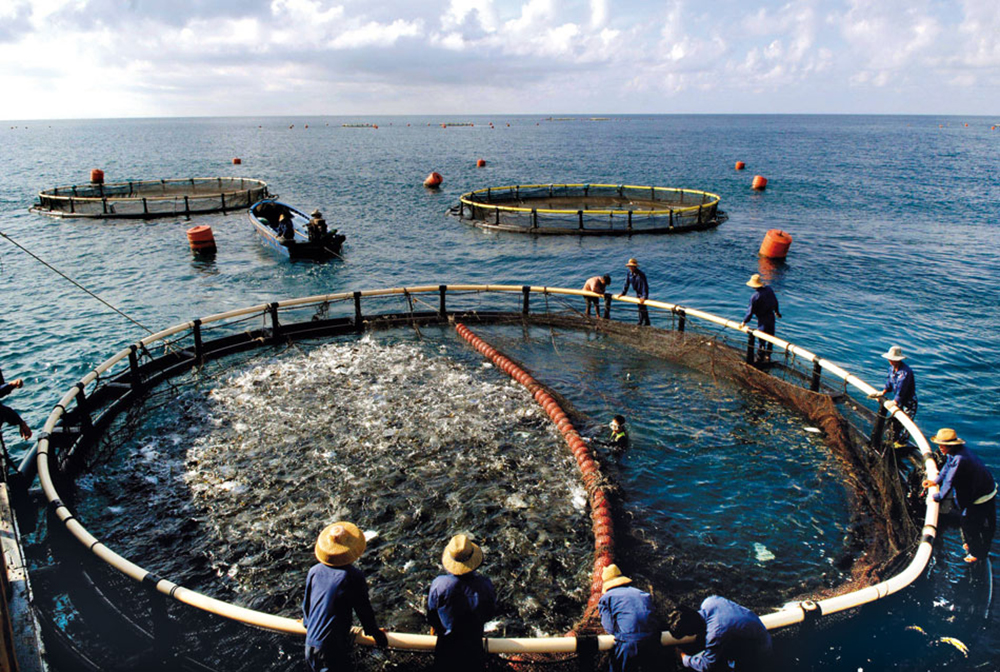
Fishing is an essential part of the seafood industry, playing a crucial role in providing a vital source of food for billions of people worldwide. However, when overfishing occurs, it not only depletes fish populations but also causes severe negative impacts on the marine environment and ecosystem. This article will discuss these issues to better understand the harmful effects of overfishing on the environment and our lives.
tac hai cua viec danh bat thuy san qua muc 2
A threat of overfishing to our planet’s future

The devastating impact of overfishing

Overfishing has emerged as a pressing global issue, posing a severe threat to marine biodiversity and ocean ecosystems. This uncontrolled exploitation not only depletes fishery resources but also leads to a series of negative consequences, directly impacting the environment and human life.

Overfishing driving marine species to extinction

  • The rate of exploitation outpaces the natural regeneration capacity of fish populations, leading to a decline in numbers and a high risk of extinction for many valuable marine species.
  • Leading to the loss of essential nutrients for humans and other species within the marine ecosystem.
  • Causing ecological imbalances that affect the food chain and biodiversity.

Food chain disruption

  • Overfishing of large fish and apex predators leads to an increase in the number of smaller fish and prey species. 
  • This imbalance in the food chain has caused the decline and destabilization of ecosystems.
  • Affecting the development of other marine species and causing abnormal phenomena in the marine environment.

Marine environmental destruction

  • The use of destructive fishing methods such as bottom trawling, explosives, and poisons causes severe damage to marine ecosystems. 
  • These practices cause mass mortality of non-target marine species, including corals, benthos, sea turtles, dolphins, whales, etc.
  • Furthermore, they contribute to marine pollution through fishing waste, negatively impacting water quality and coastal ecosystems.

Climate crisis and climate change

  • Overfishing contributes to increased carbon emissions and other pollutants in the environment. 
  • It worsens the climate change situation, affecting ocean temperature, sea levels, salinity, and pH. 
  • It leads to extreme weather events such as storms, floods, and droughts, impacting the survival and distribution of marine species, while also increasing algal blooms, causing coral die-offs, and reducing biological productivity.
tac hai cua viec danh bat thuy san qua muc 3
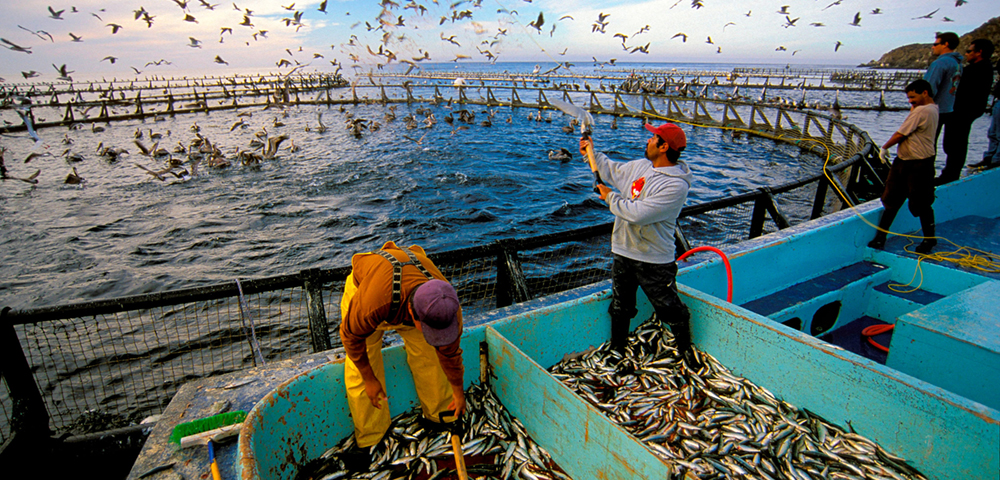
The unforeseen effects of overfishing

Towards sustainable fisheries: Solutions for overfishing

Overfishing is a serious issue that affects the ecological balance, economic development, and food security of many countries, including Vietnam. To address this problem, cooperation between the government, the fishing industry, and fishing communities is essential. Some potential solutions include:

  • Organise educational programs to raise public awareness about the importance of protecting fishery resources and the harmful impacts of overfishing.
  • Develop policies to support the transition of fishing communities from destructive fishing practices, such as trawling, to more sustainable practices such as aquaculture, ecotourism, and marine conservation.
  • Promoting Sustainable Fishing Methods: Research and apply new technologies such as cage aquaculture and deep-sea mariculture
  • The allocation and management of fishing license quotas should be aligned with the regenerative capacity of the fishery resource. This requires basing decisions on accurate scientific research and statistics. 
  • The Ministry of Agriculture and Rural Development (MARD) has responsibilities in issuing regulations on allowable total catches, the number of vessels permitted to fish concurrently, and the extent of exploitation for at-risk fish species.
  • Promote co-management in fisheries resource conservation, enhancing the role of fishing communities in monitoring, reporting, and enforcing fishing regulations.
  • Establish communication, interaction, and collaboration channels among stakeholders, including management agencies, social organizations, researchers, and producers.
  • Encourage fishermen’s participation in education, communication, and awareness-raising activities on the importance of aquatic resource conservation.
  • Promote the processing and consumption of aquatic products to create added value for the fisheries sector.
  • Encourage the use of modern, efficient, and safe processing technologies.
  • Expand domestic and international markets and diversify fishery products.
  • Recycling and sustainable use of marine products: Minimize waste and marine pollution
tac hai cua viec danh bat thuy san qua muc 4
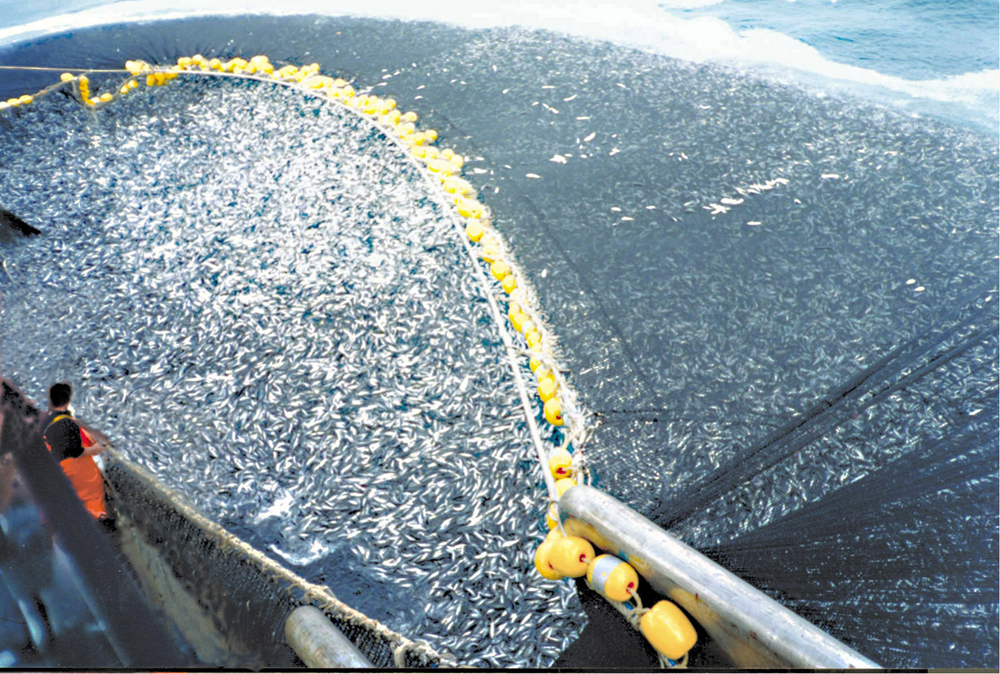
Some proposals towards sustainable development of the aquaculture industry.

Overfishing is driving many marine species to the brink of extinction, causing severe consequences for the ocean ecosystem. To address this urgent issue, international cooperation is needed to implement measures for sustainable fisheries management and aquaculture development.

Addressing the issue of overfishing requires collaborative efforts from various stakeholders. By effectively implementing the sustainable solutions mentioned above, we can protect fisheries resources, ensure food security, and promote sustainable marine economic development.
The Aquaculture Vietnam 2024 exhibition offers a platform to explore sustainable solutions for marine economic development.

The Aquaculture Vietnam 2024 is indeed evidence of these efforts, bringing together leading businesses and experts in the field of aquaculture to share knowledge and experiences and showcase the most advanced solutions for the efficient and sustainable development of the aquaculture industry.

Aquaculture Vietnam 2024: The gateway to connecting and elevating Vietnam’s aquaculture industry

Aquaculture Vietnam 2024, Vietnam’s International Aquaculture Exhibition, taking place from October 9 – 11 at the Saigon Exhibition & Convention Center (SECC), promises to provide a comprehensive platform for connection and collaboration within Vietnam’s aquaculture industry. 

By attending Aquaculture Vietnam 2024, you will have the opportunity to:

  • Access the latest solutions and cutting-edge technologies that enhance production efficiency, reduce costs, and boost profitability in aquaculture operations.
  • Discover potential partners, expand your business network, and foster industry collaboration through networking events. Especially, participate in the Match & Meet program – a professional and high-end business networking platform – to connect with exhibitors and industry experts quickly and privately, opening up the opportunity to reach the “final decision†right at the event.
  • Attend technical seminars to stay ahead of the latest trends in the domestic and international aquaculture industry.
  • Explore exhibitor booths and experience the latest products and services.
  • Livestock and aquaculture farming households in Vietnam and Cambodia have transportation support to visit Aquaculture Vietnam 2024. This program enhances accessibility for farmers, allowing them to participate and immerse themselves in the event.
  • If your company has made significant contributions to the aquaculture industry in the past year, you may have the opportunity to receive the Vietstock Awards 2024. The award is presented by the Department of Livestock Production (MARD), which honors reputable organizations and companies for their outstanding contributions to the livestock and aquaculture sector in Vietnam.
  • Connect with potential importers worldwide, promote your products, and explore export opportunities.

Aquaculture Vietnam 2024 is an unmissable event for businesses, investors, and stakeholders in the aquaculture industry. By participating in the exhibition, you will have the opportunity to connect, collaborate, and together contribute to the sustainable development and internationalization of Vietnam’s aquaculture sector.
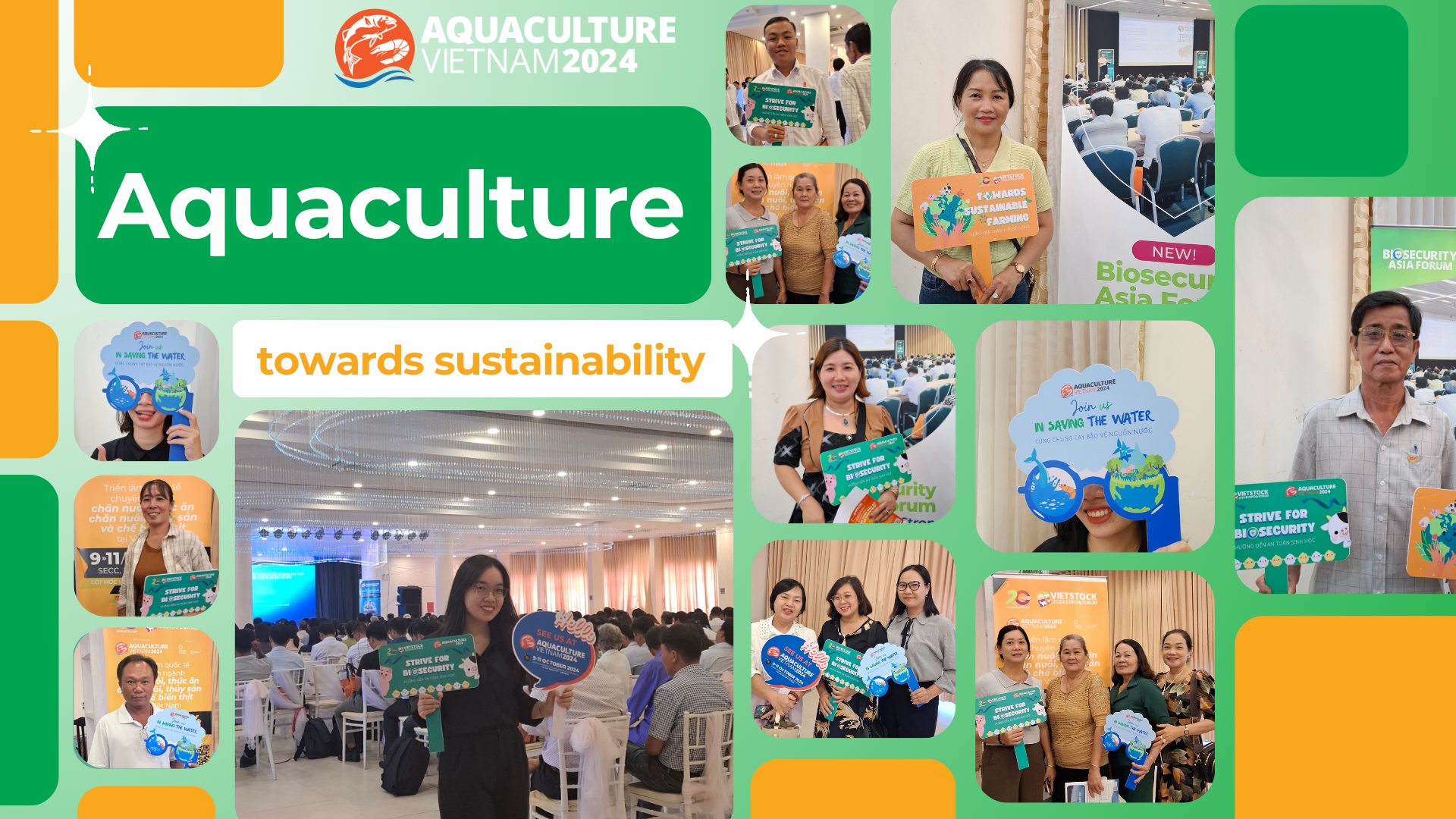
Book a stand right away to secure the best spot in Aquaculture Vietnam 2024!

————————–

Info box:

For more information about the exhibition, CONTACT US:

Share:
×

FanPage

Aquaculture Vietnam
Bí quyết quản lý chất lượng nước trong nuôi trồng thủy sản

Bí quyết quản lý chất lượng nước trong nuôi trồng thủy sản

  02/05/2024

Ngành nuôi trồng thá»§y sản Ä‘ang đối mặt vá»›i nhiá»u thách thức vá» chất lượng nước, gây ra những khó khăn và vấn đỠcho ngưá»i nuôi trồng. Tuy nhiên, có lợi ích to lá»›n khi quản lý chất lượng nước được thá»±c hiện đúng cách. Qua đó, giúp nâng cao hiệu suất và lợi nhuận trong nuôi trồng thá»§y sản. Vậy làm thế nào để thá»±c hiện quản lý chất lượng nước hiệu quả trong ngành nuôi trồng thá»§y sản? Hãy cùng tìm hiểu qua bài viết này.

quan ly chat luong nuoc trong nuoi trong thuy san 2
Tầm quang trá»ng cá»§a việc quản lý nước trong nuôi trồng thá»§y sản như thế nào?

Tầm quan trá»ng cá»§a việc quản lý nước trong nuôi trồng thá»§y sản

Quản lý chất lượng nước trong nuôi trồng thá»§y sản là má»™t yếu tố quan trá»ng đối vá»›i sá»± thành công cá»§a ngành công nghiệp này. Nước là môi trưá»ng sống cÆ¡ bản cho tất cả các loài thá»§y sản, và chất lượng nước ảnh hưởng trá»±c tiếp đến sức khá»e, sá»± phát triển và tá»· lệ sống sót cá»§a chúng. Má»™t hệ thống quản lý chất lượng nước tốt sẽ đảm bảo rằng các yếu tố như nhiệt độ, độ pH, nồng độ oxy hòa tan, và độ mặn được duy trì ở mức lý tưởng cho loài thá»§y sản cụ thể Ä‘ang được nuôi.

Nhiệt độ nước có ảnh hưởng lá»›n đến quá trình trao đổi chất và sá»± sinh trưởng cá»§a thá»§y sản. Má»—i loài có má»™t khoảng nhiệt độ lý tưởng riêng, nếu nhiệt độ nước vượt quá hoặc không đạt đến mức này, thá»§y sản có thể chậm phát triển hoặc thậm chí tá»­ vong. Äá»™ pH cá»§a nước cÅ©ng cần được kiểm soát chặt chẽ vì nó ảnh hưởng đến khả năng hấp thụ các khoáng chất và hoạt động cá»§a các enzyme trong cÆ¡ thể thá»§y sản. Oxy hòa tan là cần thiết cho hô hấp cá»§a thá»§y sản, và mức độ thấp có thể dẫn đến tình trạng thiếu oxy, ảnh hưởng đến sức khá»e và tá»· lệ sống sót.

Công việc này không chỉ giúp cải thiện sức khá»e và sản lượng cá»§a thá»§y sản mà còn giảm thiểu nguy cÆ¡ bùng phát dịch bệnh. Nước bẩn hoặc chứa nhiá»u chất độc hại có thể làm tăng khả năng mắc bệnh cá»§a thá»§y sản, làm giảm chất lượng sản phẩm và uy tín cá»§a nhà sản xuất. Do đó, việc theo dõi và Ä‘iá»u chỉnh liên tục các thông số chất lượng nước là cần thiết để đảm bảo má»™t môi trưá»ng sống lành mạnh cho thá»§y sản và hiệu quả kinh tế cao cho ngưá»i nuôi trồng.

Nước thải từ các trang trại thá»§y sản có thể chứa nhiá»u chất dinh dưỡng và chất ô nhiá»…m, nếu không được xá»­ lý đúng cách, có thể gây hại cho các hệ sinh thái nước ngá»t và biển. Quản lý chất lượng nước hiệu quả không chỉ đảm bảo sá»± phát triển bá»n vững cá»§a ngành nuôi trồng thá»§y sản mà còn giúp giảm thiểu tác động tiêu cá»±c đến môi trưá»ng.

Quản lý chất lượng nước trong nuôi trồng thá»§y sản là má»™t phần không thể thiếu trong việc đảm bảo sức khá»e và sá»± phát triển cá»§a thá»§y sản, đồng thá»i là yếu tố then chốt trong việc bảo vệ môi trưá»ng và đạt được hiệu quả kinh tế cao. Äây là lý do tại sao việc quản lý chất lượng nước cần được thá»±c hiện má»™t cách nghiêm túc và khoa há»c trong má»i hoạt động nuôi trồng thá»§y sản.

Các cách quản lý chất lượng nước trong thủy sản

Chất lượng nước đóng vai trò vô cùng quan trá»ng trong sá»± phát triển và sinh trưởng cá»§a các loài thá»§y sản. Do đó, việc quản lý chất lượng nước hiệu quả là yếu tố then chốt để đảm bảo năng suất và lợi nhuận cho ngưá»i nuôi. Dưới đây là má»™t số phương pháp quản lý chất lượng nước trong nuôi trồng thá»§y sản phổ biến và hiệu quả:

Duy trì các thông số chất lượng nước trong phạm vi lý tưởng

Äiá»u này đòi há»i việc theo dõi chặt chẽ và Ä‘iá»u chỉnh các yếu tố như độ pH, nhiệt độ, độ trong cá»§a nước, và các chỉ số hóa há»c như oxy hòa tan, amoniac, và nitÆ¡. Má»—i loài thá»§y sản có má»™t phạm vi lý tưởng riêng cho các thông số này, và việc duy trì chúng trong phạm vi đó là cần thiết để đảm bảo sức khá»e và sá»± phát triển cá»§a chúng.

Äo các thông số chất lượng nước định kỳ

Kiểm tra định kỳ giúp nhận biết sá»›m các vấn đỠvá» chất lượng nước và cho phép can thiệp kịp thá»i. Các thiết bị Ä‘o lưá»ng chuyên dụng có thể được sá»­ dụng để theo dõi các thông số này má»™t cách chính xác.

Kiểm soát hàm lượng photpho và động lá»±c há»c cá»§a tảo

Photpho là nguồn dinh dưỡng cho tảo, và sá»± gia tăng quá mức cá»§a tảo có thể gây ra hiện tượng nở hoa tảo, làm giảm chất lượng nước và ảnh hưởng đến sinh vật nuôi. Việc kiểm soát photpho và quản lý sá»± phát triển cá»§a tảo là quan trá»ng để duy trì má»™t môi trưá»ng nước lành mạnh.

Duy trì hàm lượng ion trong ao nuôi ở mức cân bằng

Các ion như canxi, magiê, và kali cần được duy trì ở mức cân bằng để đảm bảo sá»± ổn định cá»§a môi trưá»ng nước và há»— trợ sức khá»e cá»§a thá»§y sản.

Thay nước ao nuôi thưá»ng xuyên

Thay nước giúp loại bá» chất thải và các chất độc hại khác, đồng thá»i cung cấp nguồn nước má»›i giàu oxy cho sinh vật nuôi. Äiá»u này cÅ©ng giúp ngăn chặn sá»± tích tụ cá»§a các chất gây ô nhiá»…m và duy trì má»™t môi trưá»ng nước sạch sẽ.

Ngoài ra, việc sá»­ dụng các thiết bị như máy thổi khí, máy bÆ¡m nước, và hệ thống sục khí cÅ©ng rất quan trá»ng để duy trì lượng oxy hòa tan cần thiết và đảm bảo sá»± lưu thông nước tốt trong ao nuôi. Quản lý chất lượng nước không chỉ giúp tăng cưá»ng sức khá»e và năng suất cá»§a sinh vật nuôi mà còn góp phần bảo vệ môi trưá»ng tá»± nhiên xung quanh.

quan ly chat luong nuoc trong nuoi trong thuy san 3
Một số cách quản lý chất lượng nước hiệu quả

Một số phương pháp cải thiện chất lượng nước hiệu quả

Quản lý và Ä‘iá»u chỉnh các thông số hóa há»c cá»§a nước

Äiá»u này bao gồm việc duy trì màu sắc, độ đục, nhiệt độ nước, độ pH, và oxy hòa tan ở mức lý tưởng cho sá»± sống cá»§a thá»§y sản. Việc kiểm soát các khí độc như amoniac và hydrosunfua cÅ©ng rất quan trá»ng để đảm bảo môi trưá»ng nước không gây hại cho sinh vật.

Sá»­ dụng công nghệ lá»c sinh há»c

Công nghệ này giúp loại bá» chất rắn lÆ¡ lá»­ng và các khí độc hòa tan trong nước, qua đó cải thiện chất lượng nước. Các phương pháp lá»c như lá»c chảy nhá» giá»t, lá»c quay, lá»c hạt, và lá»c giá thể chìm là những ví dụ Ä‘iển hình.

Ãp dụng công nghệ Biofloc

Công nghệ này tạo ra má»™t hệ thống vi sinh vật có lợi, giúp loại bá» chất dinh dưỡng dư thừa và cải thiện chất lượng nước thông qua chuyển hóa vào sinh khối vi khuẩn. Äồng thá»i, biofloc còn có thể được sá»­ dụng làm thức ăn cho thá»§y sản.

Xử lý nguồn nước

Việc giảm mùi H2S, amoniac và các khí độc hại khác trong nước là cần thiết. Ngoài ra, việc giảm chất thải hữu cơ và hạn chế hình thành lớp bùn đáy cũng góp phần cải thiện chất lượng nước.

Thay nước ao nuôi thưá»ng xuyên

Việc này giúp loại bá» các chất cặn bã và duy trì sá»± cân bằng cá»§a các ion trong nước, từ đó giữ cho môi trưá»ng nước luôn trong sạch và ổn định.

Những phương pháp trên Ä‘á»u nhằm mục tiêu chung là tạo ra má»™t môi trưá»ng nước lý tưởng cho sá»± phát triển cá»§a thá»§y sản, đồng thá»i giảm thiểu tác động tiêu cá»±c đến môi trưá»ng tá»± nhiên. Việc áp dụng linh hoạt và kết hợp các phương pháp này sẽ giúp nâng cao hiệu quả nuôi trồng và đảm bảo sá»± bá»n vững cá»§a ngành thá»§y sản.

quan ly chat luong nuoc trong nuoi trong thuy san 4
Äiểm qua má»™t số phương pháp quản lý chất lượng nước trong nuôi trồng thá»§y sản

Hiện nay, trong nuôi trồng thá»§y sản để đạt được hiệu quả cao nhất, không chỉ cần áp dụng những phương pháp đã được chứng minh là hiệu quả, mà còn cần tiếp cận những công nghệ tiên tiến và thông tin cập nhật từ các chuyên gia hàng đầu trong ngành. Aquaculture Vietnam sẽ laÌ€ Ä‘iểm đêÌn quy tuÌ£ caÌc công nghệ tiên tiêÌn, caÌc giải phaÌp mÆ¡Ìi của ngaÌ€nh nuôi trồng thủy sản tai Việt Nam vaÌ€ khu vực.

Aquaculture Vietnam 2024: Sự kiện không thể bỠlỡ

Bên caÌ£nh caÌc gian haÌ€ng trưng baÌ€y, Aquaculture Vietnam 2024 sẽ mang đêÌn Ä‘a daÌ£ngt các há»™i thảo kỹ thuật, nÆ¡i các chuyên gia đầu ngành từ doanh nghiệp, hiệp há»™i và trưá»ng đại há»c chia sẻ kiến thức, kinh nghiệm, ý tưởng và thông tin quý giá vá» nhiá»u khía cạnh cá»§a ngành nuôi trồng thá»§y sản. Sá»± kiện này sẽ há»— trợ toàn bá»™ chuá»—i giá trị thá»±c phẩm trong ngành nuôi trồng thá»§y sản, từ việc nuôi trồng, đánh bắt đến chế biến.

Äây là cÆ¡ há»™i tuyệt vá»i để mở rá»™ng mạng lưới kinh doanh, nâng cao nhận thức vá» thương hiệu, nghiên cứu thị trưá»ng và kết nối vá»›i ngành công nghiệp thông qua các sá»± kiện đồng thá»i. Nếu bạn Ä‘ang tìm kiếm cÆ¡ há»™i kinh doanh má»›i hoặc muốn cập nhật vá»›i những công nghệ và sản phẩm tiên tiến nhất trong lÄ©nh vá»±c nuôi trồng và chế biến thá»§y sản, Aquaculture Vietnam 2024 chắc chắn là sá»± kiện không thể bá» qua.

Triển lãm Aquaculture Vietnam 2024 sẽ diễn ra từ ngày 09 đến 11 tháng 10, tại Trung tâm Hội chợ & Triển lãm Sài Gòn, TP. HCM.

Äừng bá» lỡ cÆ¡ há»™i vàng để nâng tầm chất lượng mô hình sản xuất thá»§y sản! Äăng ký ngay hôm nay!

Äăng ký trưng bày: https://www.aquafisheriesexpo.com/dat-gian-hang/

————————–

Box thông tin:

Äể biết thêm thông tin chi tiết, Quý vị vui lòng liên hệ Ban tổ chức:

Chia sẻ:
×

FanPage

Aquaculture Vietnam